We have had a few instances recently of dodgy or even ‘death’ rigs being discovered at both Whittlesford and Bordeaux.
So, here is s bit of guidance and some examples of simple safe rig set-ups.
[Thanks to Dave Ewers for the research]
Safe Rigs:
A safe carp rig is terminal tackle setup designed to let a hooked fish easily shed the heavy lead weight and free itself if your main line breaks. Incorrectly assembled tackle can trap a lead and tether a fish, turning a standard setup into a dangerous “death rig”.
Following proper guidelines from a number of on-line resources help to ensure fish safety.
Essential Safety Rig Types
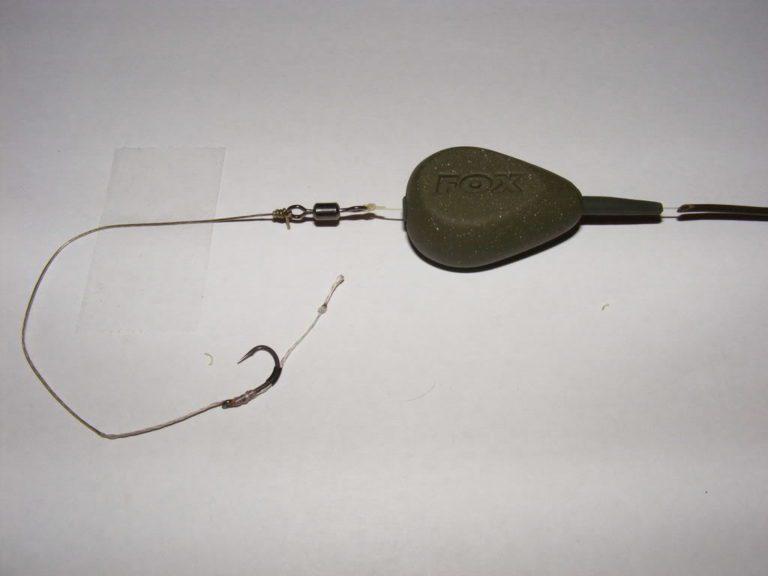
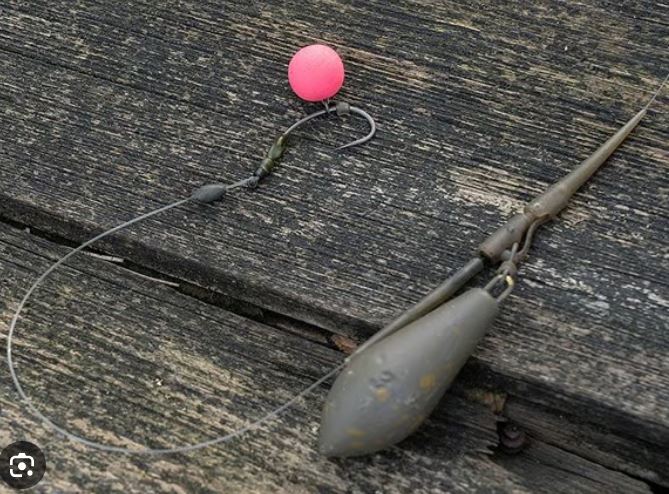
• Lead Clip Systems: Uses a specialised plastic clip where the lead hangs from an external arm. Never push the tail rubber on completely; only mount it lightly on the first notch so the lead ejects instantly if snagged or broken off.
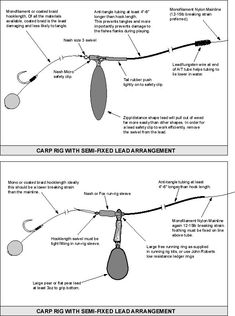
• Running Rig Setups: The line runs completely free through a ring or inline insert without locking. If a break occurs, the entire lead slides off the mainline or tubing, leaving the fish with only the hook-link.
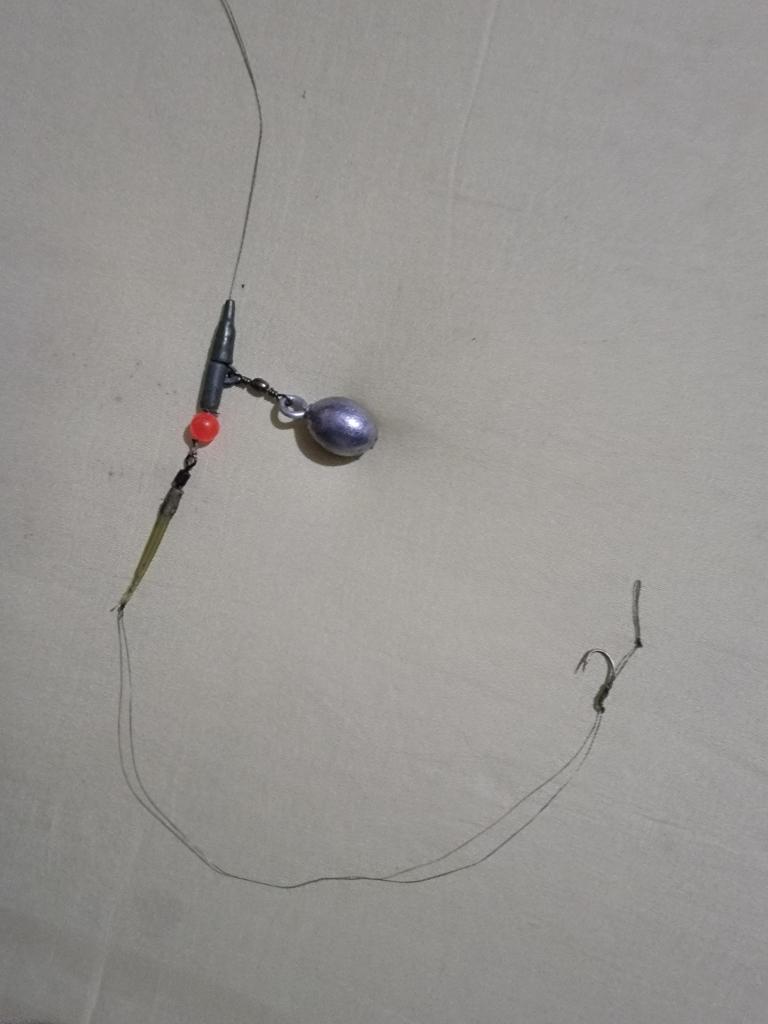
• Helicopter / Chod Systems: Utilises a top and bottom bead setup on a leader. The upper bead must be able to pop off easily, allowing the hook-link to slide entirely off the end of the leader if a line snaps.
Core Safety Rules:
• Light Tail Rubbers: Keep tail rubbers loose on clips so the lead drops off under minimal pressure from a snag or a fish shaking its head.
• No Fixed Obstacles: Never place tight knots, extra swivels, or small split shots above your tubing or leaders that could block components from sliding off freely.
• Barbless Hooks: Pair your running or safety systems with barbless hooks. If tension drops after a lead is lost, a barbless hook falls out of the fish’s mouth much more easily.
These pictures show a few basic rig setups.
Here are a few links to useful YouTube videos that might help. There are plenty more about.
Tight lines [but maybe, not too tight?] 

